An AI Script for a Podcast I don’t Have
My new book is out on Amazon and is being offered at 20% of retail for the rest of the month. I have no money for advertising and someone suggested I do a podcast.
Problem: I wouldn’t know where to begin and have no interest in investing time to becoming an expert in podcast do and don’ts
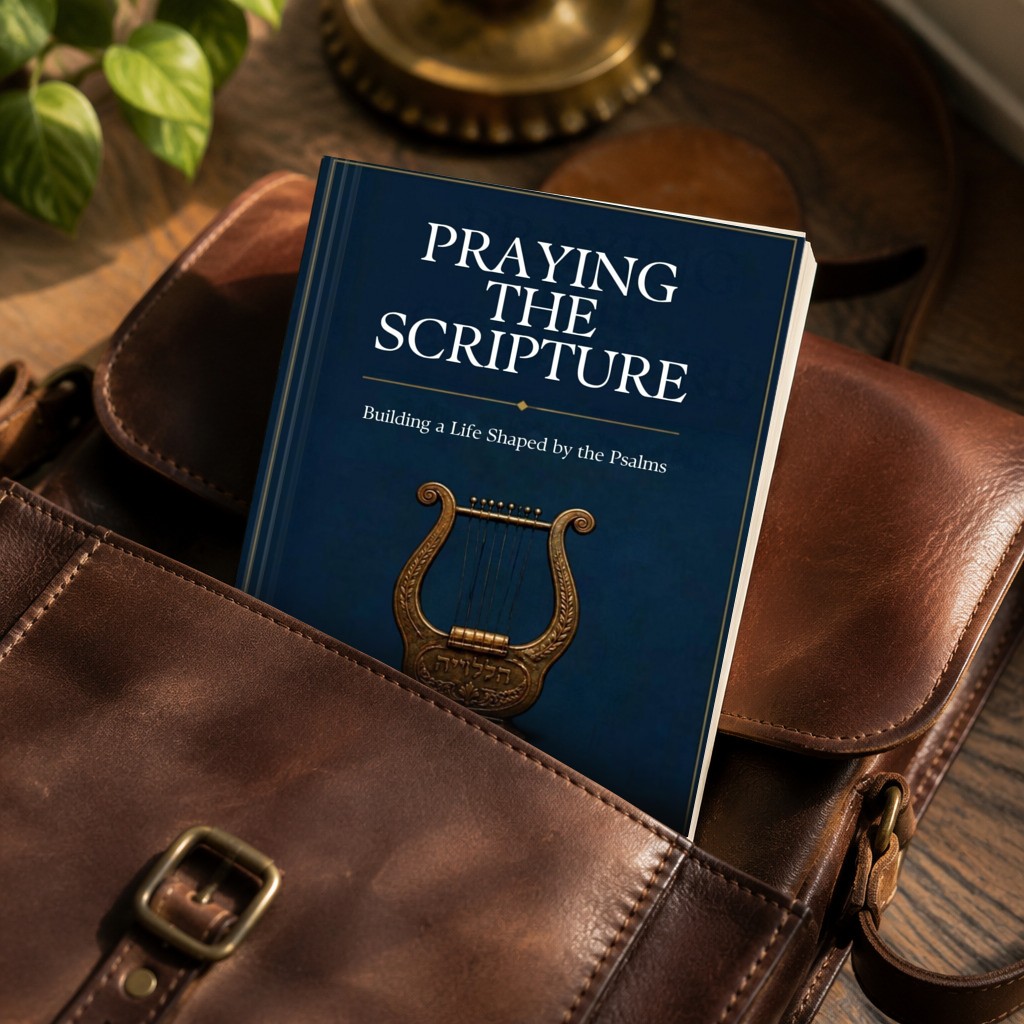
Someone else suggested having AI write a script for a podcast. That sounded doable, so I uploaded chapter 1 and asked an AI program to develop a script for a short podcast review of the chapter and solicit feedback. Here is the result. You can listen to the audio or read below. One picture is of the actual book cover, the other is just a silly thing that I found humorous. (The slider will allow you to see both.)
Side Note: It was impressive to hear the AI voice pronounce my name correctly!

Pip: ChosenRebel’s Blog, where the questions are ancient, the stakes are eternal, and someone finally admits that ninety seconds is about as long as most of us last before we’re mentally back in the grocery store.
Mara: This episode covers a single stretch of territory: prayer — why we avoid it, what honest prayer actually requires, and how the Psalms have functioned as a lifeline for one writer across decades. Marty Schoenleber, Jr. is sharing the first chapter of a book in progress and asking for reader feedback.
Pip: Let’s start with what the chapter is actually arguing.
Mara: The chapter opens a book about prayer by confronting the most obvious failure first — not technique, not scheduling, but the basic fact that guilt has never made anyone a praying person, and yet guilt is what most Christians carry about it.
Pip: And the diagnosis goes somewhere sharper than distraction. The chapter puts it this way: “Prayer without honesty is just noise. It is words aimed at the ceiling by a soul that hasn’t shown up yet.”
Mara: That line lands because the chapter has already done the work of naming the real problem. The argument is that we don’t primarily fail at prayer because we’re busy. We fail because honesty is costly, and real prayer requires showing up as you actually are — unsteady, scattered, maybe a little angry — not as the managed version you think God wants to see.
Pip: There’s a scene from Acts 19 the chapter uses to illustrate what’s at stake. Jewish exorcists invoke the name of Jesus and Paul — men they’d heard about but didn’t know — and the evil spirit’s reply is described as “one of the most chilling lines in the New Testament”: ‘Jesus I know, and Paul I recognize, but who are you?’ The chapter’s response to that story is worth sitting with: “I want to be famous in hell, too.”
Mara: The chapter frames prayer not as a discipline for the spiritually elite but as the lifeline of the spiritually desperate. It draws on Daniel, David, the early church — all praying three times a day not out of legalism but out of realism. The soul leaks, the chapter argues, and it needs constant re-centering.
Pip: The Psalms get their own section here. Not chosen out of discipline, the chapter says, but out of weakness — language bigger than circumstances, truer than feelings, something to hold a person up when their own words give out.
Mara: And the chapter closes by quoting Brother Lawrence: “You need not cry very loud; He is nearer to us than we think.” The invitation isn’t to pray better words. It’s to come with a more honest soul. That, the chapter says, is always the first breath.
Pip: Feedback welcome, apparently — which means the harder chapters are still coming.
Mara: The through-line here is that the obstacle to prayer isn’t information or technique — it’s the willingness to be seen as you actually are.
Pip: Which is the kind of thing that’s easy to agree with and hard to do on a Tuesday morning. More from this blog next time.


